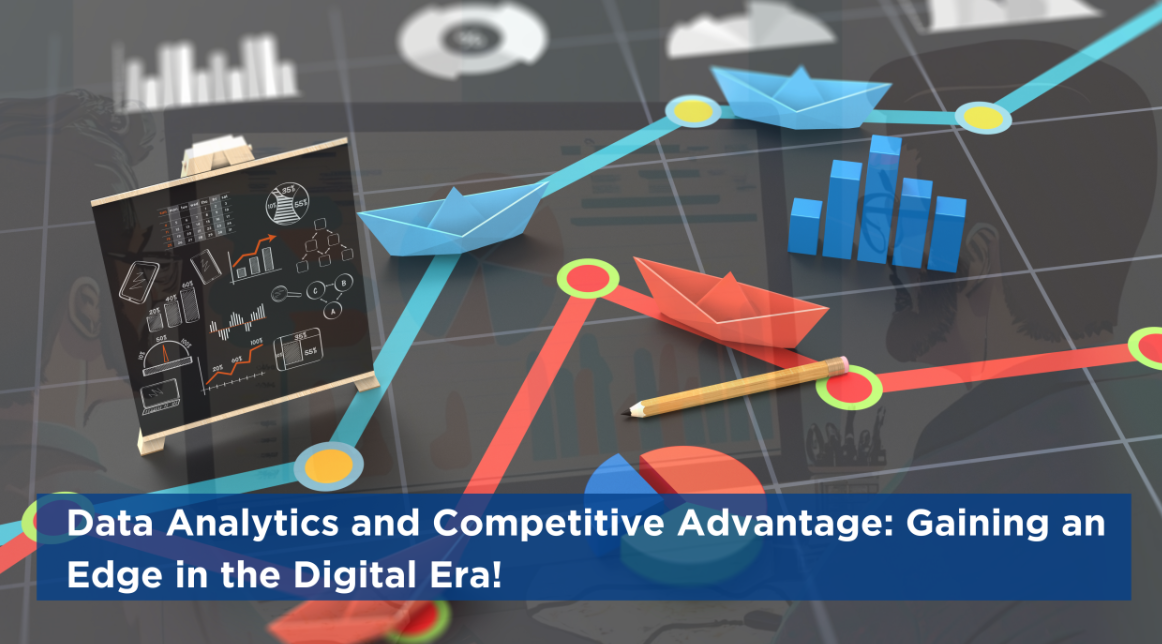
In today’s hyper-connected digital economy, data has become one of the most valuable assets a company can possess. Organizations across industries are increasingly leveraging data analytics to drive decision-making, optimize operations, and outperform competitors. The ability to collect, process, and analyze vast amounts of data enables businesses to uncover hidden patterns, predict future trends, and respond to market changes with agility.
Data analytics is no longer a luxury reserved for large corporations—it has become a necessity for companies of all sizes seeking sustainable growth and competitive advantage. This article explores how companies use data analytics to gain an edge, the key types of analytics, real-world applications, and best practices for successful implementation.
What Is Data Analytics?
Data analytics refers to the process of examining raw data to draw meaningful insights and support decision-making. It involves various techniques, including statistical analysis, machine learning, data mining, and predictive modeling.
The primary goal of data analytics is to transform data into actionable insights that help organizations improve performance, reduce risks, and identify new opportunities.
Types of Data Analytics
Understanding the different types of data analytics is crucial for businesses aiming to maximize their value.
1. Descriptive Analytics
Descriptive analytics focuses on summarizing historical data to understand what has happened in the past. It answers questions like:
- What were last quarter’s sales?
- Which products performed best?
This type of analytics provides a foundation for deeper analysis.
2. Diagnostic Analytics
Diagnostic analytics goes a step further by explaining why something happened. It identifies patterns and relationships within the data to uncover root causes.
For example, if sales declined, diagnostic analytics can reveal whether it was due to pricing, competition, or seasonal trends.
3. Predictive Analytics
Predictive analytics uses historical data and statistical models to forecast future outcomes. Businesses use it to anticipate customer behavior, demand trends, and potential risks.
4. Prescriptive Analytics
Prescriptive analytics provides recommendations on what actions to take. It uses advanced algorithms and optimization techniques to suggest the best course of action.
Why Data Analytics Is a Competitive Advantage
Companies that effectively use data analytics gain several strategic advantages:
Improved Decision-Making
Data-driven decisions are more accurate and less reliant on intuition. Companies can evaluate multiple scenarios and choose the most effective strategy.
Enhanced Customer Experience
By analyzing customer behavior, preferences, and feedback, businesses can personalize experiences and improve satisfaction.
Operational Efficiency
Data analytics helps identify inefficiencies in processes, enabling companies to reduce costs and improve productivity.
Faster Innovation
Insights derived from data allow organizations to develop new products and services that meet market demands.
Risk Management
Predictive models help companies identify potential risks and mitigate them before they escalate.
Key Ways Companies Use Data Analytics
1. Customer Insights and Personalization
One of the most impactful uses of data analytics is understanding customers. Companies analyze data from multiple sources such as:
- Purchase history
- Website interactions
- Social media activity
This allows businesses to create personalized experiences, recommend products, and improve customer engagement.
For example, recommendation engines use data analytics to suggest relevant products based on user behavior, increasing conversion rates and customer loyalty.
2. Marketing Optimization
Data analytics enables companies to measure the effectiveness of marketing campaigns in real time. Businesses can:
- Identify high-performing channels
- Optimize ad spend
- Segment audiences more effectively
With analytics, marketers can shift budgets toward strategies that deliver the highest return on investment (ROI).
3. Supply Chain Optimization
Efficient supply chain management is critical for competitiveness. Data analytics helps companies:
- Forecast demand accurately
- Reduce inventory costs
- Improve delivery times
By analyzing historical sales data and external factors, businesses can ensure optimal stock levels and avoid overstocking or shortages.
4. Product Development
Data analytics plays a key role in product innovation. Companies analyze customer feedback, usage data, and market trends to design better products.
This approach reduces the risk of product failure and ensures that new offerings align with customer needs.
5. Fraud Detection and Security
Organizations use data analytics to detect unusual patterns that may indicate fraud or security threats. Machine learning algorithms can identify anomalies in transactions and flag suspicious activities.
This proactive approach helps protect both the company and its customers.
6. Financial Performance Analysis
Financial analytics allows businesses to monitor key performance indicators (KPIs), track revenue trends, and manage expenses effectively.
By analyzing financial data, companies can:
- Improve budgeting
- Forecast revenue
- Identify cost-saving opportunities
7. Human Resource Management
Data analytics is also transforming human resources. Companies use it to:
- Analyze employee performance
- Predict turnover rates
- Improve recruitment strategies
This helps organizations build stronger, more productive teams.
Real-World Examples of Data Analytics in Action
Retail Industry
Retail companies use data analytics to understand shopping behavior and optimize pricing strategies. Dynamic pricing models adjust prices based on demand, competition, and customer preferences.
Healthcare Sector
Healthcare providers analyze patient data to improve diagnosis, treatment plans, and operational efficiency. Predictive analytics helps identify patients at risk of certain conditions.
Financial Services
Banks and financial institutions rely on data analytics for credit scoring, fraud detection, and investment strategies. This enhances decision-making and reduces financial risks.
Manufacturing
Manufacturers use data analytics for predictive maintenance, reducing downtime and improving production efficiency. Sensors and IoT devices provide real-time data for analysis.
Technologies Driving Data Analytics
Several technologies enable companies to harness the power of data analytics:
Big Data Platforms
These platforms allow organizations to process large volumes of structured and unstructured data efficiently.
Artificial Intelligence and Machine Learning
AI and ML enhance analytics by automating data processing and improving predictive accuracy.
Cloud Computing
Cloud-based analytics solutions provide scalability, flexibility, and cost efficiency.
Data Visualization Tools
Visualization tools help present complex data in an easy-to-understand format, enabling better decision-making.
Challenges in Implementing Data Analytics
Despite its benefits, implementing data analytics comes with challenges:
Data Quality Issues
Inaccurate or incomplete data can lead to misleading insights.
Lack of Skilled Professionals
There is a growing demand for data scientists and analysts, making talent acquisition challenging.
Integration Complexity
Combining data from multiple sources can be technically complex.
Privacy and Security Concerns
Companies must ensure compliance with data protection regulations and safeguard sensitive information.
Best Practices for Leveraging Data Analytics
To gain a competitive advantage, companies should follow these best practices:
Define Clear Objectives
Start with clear business goals and align analytics efforts accordingly.
Invest in the Right Tools
Choose analytics platforms that suit your organization’s needs and scale.
Ensure Data Quality
Implement processes to clean and validate data regularly.
Build a Data-Driven Culture
Encourage employees to use data in decision-making and provide training where necessary.
Focus on Continuous Improvement
Analytics is an ongoing process. Continuously refine models and strategies based on new data.
Future Trends in Data Analytics
The field of data analytics continues to evolve rapidly. Key trends include:
Real-Time Analytics
Businesses are increasingly using real-time data to make instant decisions.
Augmented Analytics
Automation and AI are simplifying data analysis, making it accessible to non-technical users.
Edge Computing
Processing data closer to its source reduces latency and improves efficiency.
Data Democratization
More employees across organizations will have access to data and analytics tools.
Conclusion
Data analytics has become a critical driver of competitive advantage in the modern business landscape. Companies that effectively leverage data can make smarter decisions, enhance customer experiences, optimize operations, and innovate faster than their competitors.
While challenges exist, the benefits of data analytics far outweigh the obstacles. By adopting the right strategies, investing in technology, and fostering a data-driven culture, organizations can unlock the full potential of their data.
In an era where information is power, companies that harness data analytics are better positioned to lead, adapt, and thrive in an increasingly competitive market.